
Fail to Prepare
Why being ready is the oldest wisdom we have.

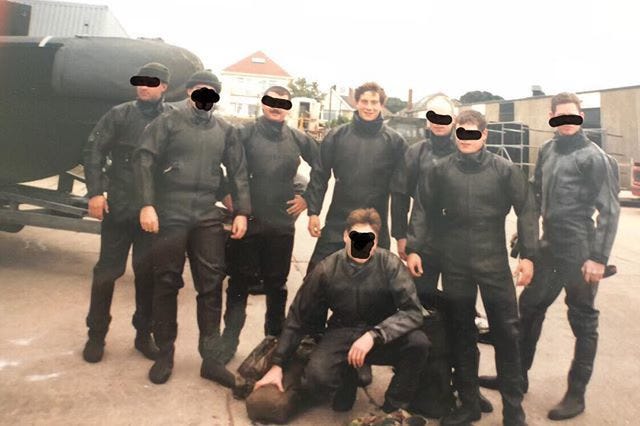
Fail to prepare, prepare to fail. It’s a line I’ve been quoting all my life. I picked it up as a young soldier and it has stuck to me ever since. It hasn’t gone out of date. If anything, it lands harder now than it did then.
We are living in one of the most fragile civilisations that has ever existed. We don’t grow our own food, draw our own water, or store our own fuel. We have outsourced all of it to systems most of us don’t understand and don’t think about until they fail. A strike, a cyber attack, a few cold weeks, a supply chain hiccup somewhere far away, and the shelves go empty. We have all watched it. Lockdown taught us how thin the margins are. Most of us have already forgotten the lesson.
Preparation gets called paranoia. Made fun of. Filed under conspiracy theory. The truth is much simpler. Preparation is just stewardship. It is what every generation before ours took for granted. Larders, smoke houses, wood piles, pickled jars, rainwater barrels. They knew that life would test them, and they got on with making sure they could pass the test.
The Bible is not nervous about preparation. It’s full of it.
Joseph saw the famine coming and stored grain for seven years. He didn’t sit back and trust it would all work out. He acted on the warning he was given and saved a nation when the famine hit. Noah was told a flood was coming and he built. He kept building for almost a hundred years while everybody around him thought he was mad. Nehemiah rebuilt the walls of Jerusalem with a sword in one hand and a trowel in the other. The wise builders in the Sermon on the Mount built on the rock so the storm wouldn’t take them out. The wise virgins kept oil in their lamps in case the bridegroom was late.
Faith makes us alert. It does not make us idle.
The lazy servant who buried his talent got rebuked. The wise build, store, train, and stay watchful. We don’t prepare because we are afraid. We prepare because we love the people we are responsible for.
Storms come for everyone.
I have seen them in the wild for decades, and the lesson is always the same. The mountain teaches you very fast what being unprepared costs. The wild rewards the man who packed properly. It punishes the one who didn’t. Weather can change in minutes. Rivers can rise in hours. The friendly valley you walked into yesterday can be a death trap tomorrow.
That isn’t unique to expeditions. The same logic runs through ordinary life. The car breakdown on a country road in the snow, the power cut in the depth of winter, the flooded house, the ill child at midnight when the pharmacy is shut. We aren’t talking about the apocalypse. We’re talking about Tuesday.
When something goes wrong, the man who has thought about it ahead of time stays calm. The one who hasn’t, panics. Calm under pressure isn’t a personality trait. It is a discipline we build, slowly, by preparing for the things we hope never happen.
Practical preparation isn’t complicated.
Water you can rely on if the tap stops. Food in the cupboard, a few weeks of basics the family will actually eat. A way to keep the home warm when the heating doesn’t work. Torches with batteries that aren’t ten years old. A simple medical kit. Some way to cook without electricity. A way to communicate when the phone networks are down. Cash, because cards don’t work in a power cut.
That isn’t a list for survivalists. It’s a list for grown-ups. Our great-grandparents would have chuckled at us for needing the list at all, because all of it would have been the basic running of a household in their day. We have drifted very far from that. The drift back is not difficult. It just takes deciding it matters.
The seventy-two hour mark is the useful one to think about. Most disruptions sort themselves out within three days. If our families can be self-sufficient for three days, we are already in better shape than ninety per cent of our neighbours. Three days of water, food, warmth, light, and a calm head. That is the start.
The deepest preparation isn’t gear. It’s character.
Gear will run out. Batteries die, food gets eaten, fuel burns. None of it lasts forever. What lasts is the kind of person we are when the systems go quiet. Whether we keep our head, whether we can lead, whether our family can lean on us, whether we can pray when there is nothing left to do.
The only way to be that person on the day is to be becoming that person now. Steady habits and daily training. A faith with roots, a family that knows where it stands, a few brothers and sisters who will show up if it goes wrong. None of that is built in the storm. All of it is built in the quiet years before.
So we get on with it. We do an inventory of the cupboards this week. We charge the torches. We learn how the gas works. We have the conversation with our family that nobody really wants to have. We know who would shelter where if the worst happened. We get to know our neighbours, because in a real crisis they are the cavalry. We dig the well when it’s not needed, so it’s there when the drought comes.
The day the storm hits, we won’t have time to prepare. We prepare today, when the sun is out and the shelves are full. That is what every wise generation before us did. It’s our turn now.
Fail to prepare, prepare to fail.
Never Give Up.
Bear
This was awesome. Thank you.
Great piece. Thanks.